







Search Results for: Shanghai Coffee Shop
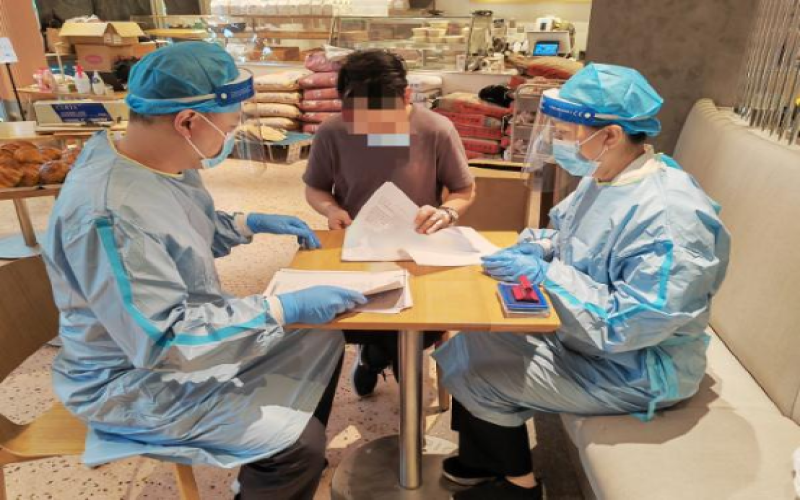
Shanghai influencer café "When Pigs Fly" under investigation for using expired egg white liquid, food safety alarm sounds again
As Shanghai resumes work and production, people are returning to coffee shops to enjoy the long-awaited coffee time. However, an internet-famous shop called "WHEN PIGS FLY," which was once ranked first among popular coffee shops in Shanghai, has been investigated for using expired food ingredients. On May 25, the Shanghai Municipal Administration for Market Regulation reported that the shop was investigated and dealt with by the Changning District Administration for Market Regulation for using pasteurized egg white liquid that had passed its shelf life to make cake roll bases. Four used egg white liquid boxes were found at the scene, one of which was expired for more than 20 days, and 24 semi-finished products had been processed. The incident sparked heated discussions among netizens, with some surprised, some worried, and others calling for heavy penalties. Food safety has once again become a bottom line that cannot be ignored in the coffee industry. [more…]
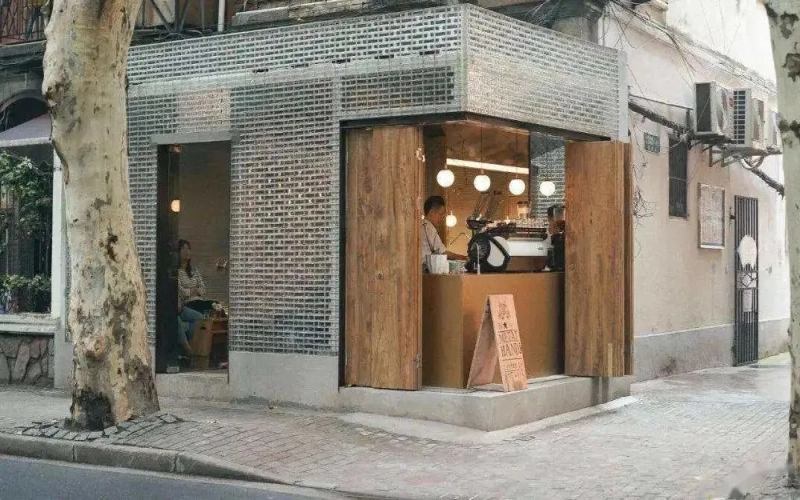
Why does the number of coffee shops in Shanghai keep rising? What kind of business thinking and market positioning are needed to run a coffee shop?
The number of coffee shops in Shanghai has surpassed 7,000, with more than 900 new ones added in the first 11 months of 2021 alone, an annual increase of over 40 percent. Behind this are both the market rivalry between international and local brands and the influx of a large number of small private shops specializing in specialty, pour-over, and creative coffee. Yet a boom in openings does not mean business is easy. Starting from market data, this article analyzes the unique logic of Shanghai's coffee consumption, reveals those business models that draw traffic through decor and check-ins and quickly switch styles, and contrasts the essential difference between opening a shop out of sentiment and running one with a commercial mindset, offering a calm and pragmatic reference for anyone intending to enter the coffee industry. [more…]
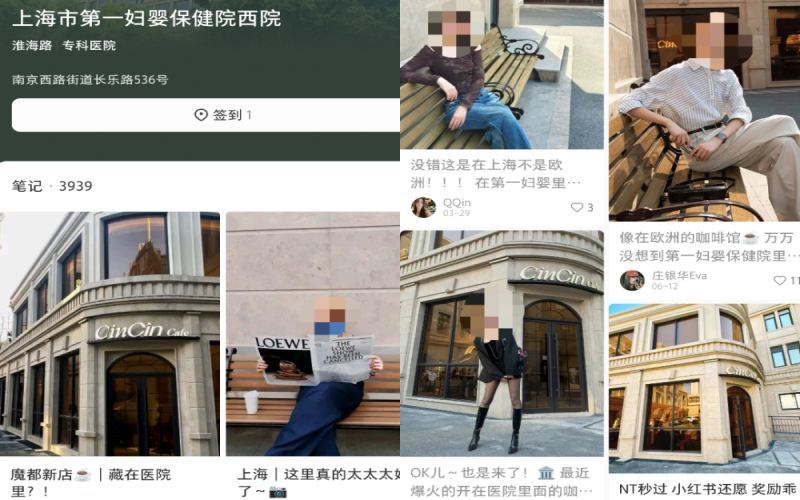
A European-style coffee shop inside Shanghai First Maternity and Infant Hospital has become a trendy photo spot, and the hospital has responded that it will strengthen management.
Recently, Shanghai First Maternity and Infant Hospital has seen its on-site European vintage-style coffee shop become a popular photo spot for many "influencers" on social media, with related topics continuing to gain traction. Many local residents have reported that the crowds of photo-takers have disrupted normal medical order. Why has this coffee shop become a photography hotspot? How have the hospital and the shop responded? The hospital stated that it will strengthen management by discouraging commercial photography, prolonged occupation of patient rest seats, and the use of large professional equipment such as fill lights, in order to ensure normal medical activities. [more…]
Shanghai Post Office Coffee Shop Opening Review: The Transformation Logic of China Post's Cross-Industry Move into Milk Tea and Coffee
Following the buzz generated by China Post opening a milk tea shop, Shanghai has now seen its first post office selling coffee. On September 17, the Tianping Road Post Office at 1883 Middle Huaihai Road was transformed into the Wukang Building-themed post office. While retaining its original postal services, it has introduced a café, a photo-op area, and a cultural and creative display zone, in collaboration with Qiao Coffee under the century-old Shanghai time-honored brand Qiaojiashan. Is the coffee at this post office actually good? Why does China Post frequently cross into the beverage sector? This article will analyze the details of the store renovation, the background of the partner brand, and the history of China Post's cross-industry ventures, and explore the underlying logic of time-honored brands seeking rejuvenation. [more…]
The Survival Landscape of Independent Coffee Shops in Shanghai: The Business Logic and Cultural Foundation Behind 7,857 Stores
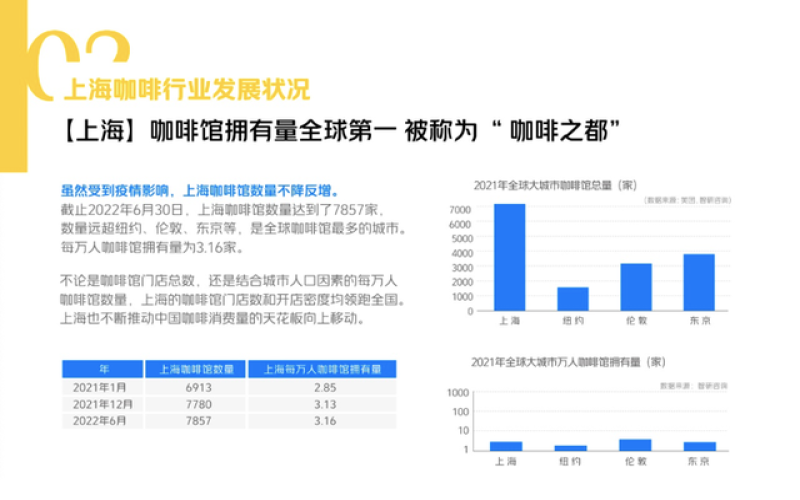
As of June 2022, Shanghai ranked first among global cities with 7,857 coffee shops, of which independent outlets accounted for more than 60 percent. Behind this figure lies both a coffee-drinking tradition spanning more than a century and the meticulous efforts of contemporary owner-operators in refining style, products, and personalized experiences. This article analyzes, from the two dimensions of historical context and business strategy, how Shanghai's independent coffee shops continue to grow in the cracks between chain brands, and explores how owner-operators, spatial style, and product distinctiveness constitute the core competitiveness of independent coffee shops. [more…]
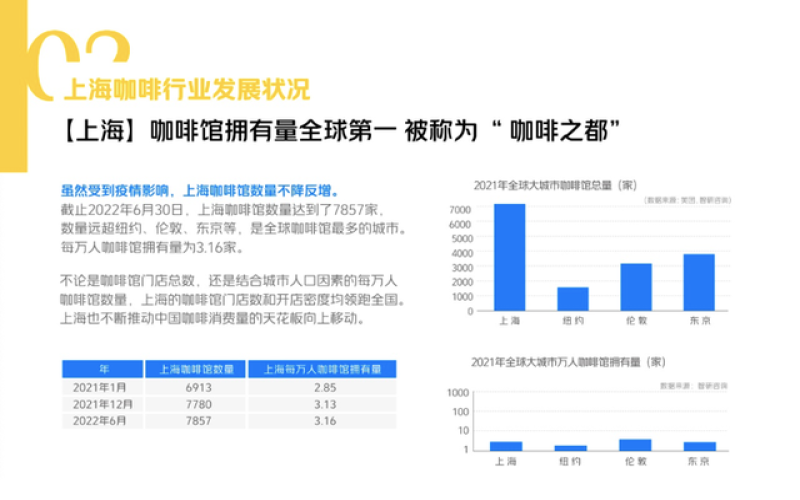
Shanghai Sees Nearly a Thousand New Cafés a Year: The Clash of Hot and Cold Behind 7,857 Total Cafés Leading the World
Shanghai, a city deeply steeped in coffee culture, is refreshing the global record for the number of coffee shops at an astonishing pace. As of June 2022, the city had 7,857 coffee shops, not only firmly ranking first in China in terms of quantity, but also surpassing international metropolises such as New York, London, and Tokyo to become the city with the most coffee shops in the world. Yet behind this numerical growth lie both the rapid expansion of specialty coffee brands fueled by capital and the reality of small shops struggling to survive under the impact of the pandemic. From 867 new additions in 2021, to a slowdown in the pace of openings in the first half of 2022, and then to the industry regaining momentum in the second half, what kind of resilience and challenges has Shanghai's coffee market shown? This article will combine the latest data and industry cases to analyze the driving forces and hidden concerns behind the counter-trend growth of Shanghai's coffee industry. [more…]
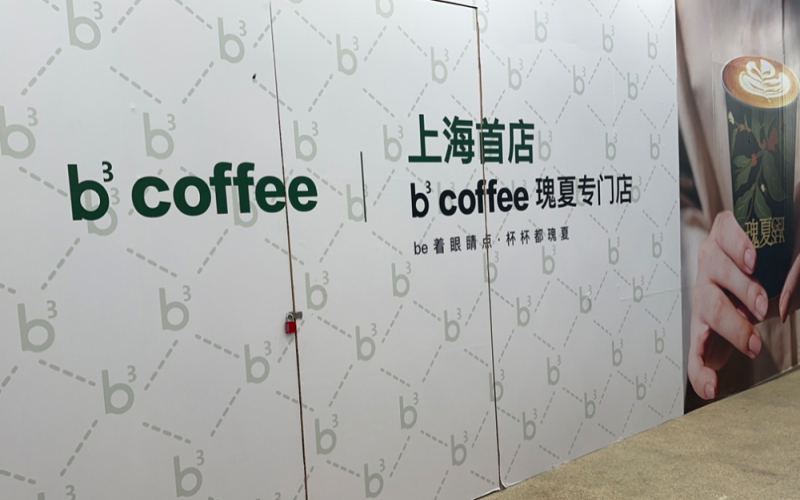
A new Shanghai shop named "b³ Coffee" sparks dialect controversy, mired in negative word-of-mouth before even opening
A yet-to-open Shanghai coffee shop has sparked heated discussion because its name, "b³ Coffee," sounds like "biesan" (a local slang term for a vagrant or good-for-nothing) in the local dialect. Netizens have been poking fun at it, and some say they won't patronize it because of the name. The brand marking itself as "必三咖啡" on a third-party platform has further escalated the controversy. Although the name brings traffic, it also leaves a negative first impression on consumers. This article reviews the whole incident, discusses the importance of businesses adapting to local customs, and includes related recommendations from Front Street Coffee. [more…]
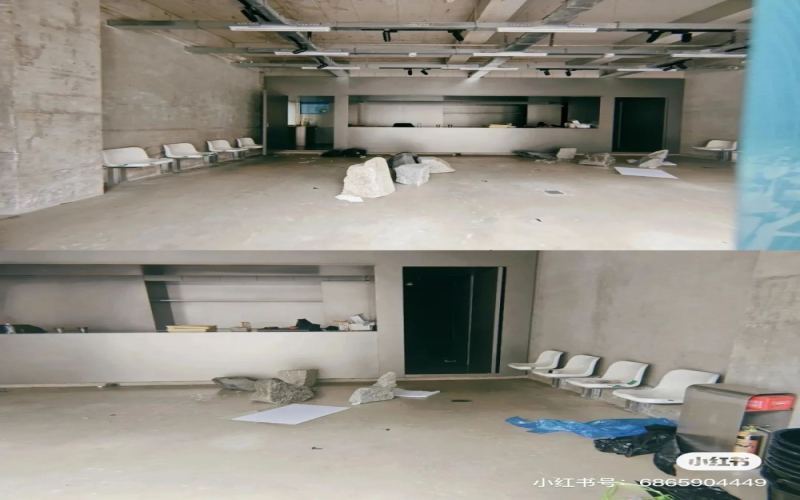
Closed in less than three months: Why did Shanghai's 6,200-yuan-per-cup coffee shop exit so quickly?
A cup of coffee priced at 6,200 yuan once made a specialty coffee shop in Shanghai's Jing'an District quickly go viral online. However, from its soft opening to the news of its closure, the shop's life cycle was less than three months. This article reviews the rise and fall of that shop, looks back at the "sky-high coffee" phenomenon that appeared in many parts of the country in 2023, and explores the common "BOP auction champion" label behind it. For coffee lovers in pursuit of extreme flavor, besides tasting it in the shop, jointly purchasing champion roasted beans and sharing them with friends is also a rational choice. Front Street Coffee reminds us that the value of specialty coffee should ultimately return to the flavor itself, rather than being a mere price gimmick. [more…]
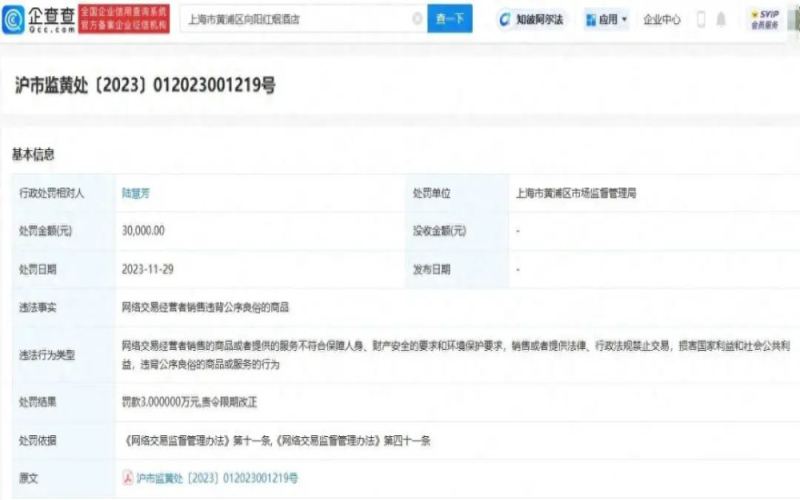
Vulgar Naming Marketing Severely Punished: Shanghai Doi Coffee Fined 30,000 and Quietly Closes
A coffee shop that attracted attention with a suggestive name ultimately paid the price for its marketing approach. In July of this year, a coffee shop named "Doi Coffee" in Huangpu District, Shanghai, was investigated by market regulators for a store name and product names suspected of violating public order and good morals. Several months later, the penalty result has finally landed — a fine of 30,000 yuan, with a heavier punishment due to the severe negative public opinion impact. Now the shop has quietly closed, and the person in charge said business was so poor that they are no longer operating. Behind the incident, it reflects the collision between the bottom line of marketing in the food and beverage industry and the red line of regulation, and has also sparked public discussion about the boundaries of vulgar marketing. Front Street Coffee reminds practitioners that creative marketing needs moderation, and respecting public order and good morals is the way to long-term business. [more…]

A Shanghai coffee shop's 1,800-yuan cup of Geisha sparks debate; staff admit they've never seen it, let alone tasted it
A cup of coffee priced at 1800 yuan is not a fantasy, but a real menu option at a chain coffee shop in Shanghai. This pour-over coffee uses Panama Sofia Estate washed Geisha, a bean that won second place in the 2024 BOP Geisha washed category, with flavors described as jasmine, bergamot, lychee, and honey. In fact, this price already appeared on social media last year, when it corresponded to Guaguaguo Estate natural Geisha, also priced at 1800 yuan. Staff revealed that such coffee requires advance booking, with almost no one inquiring about it; after working for over a year, they had never seen it, let alone tasted it. The brand manager explained that the consumer group is mostly regulars, and the beans must be pre-ordered from foreign estates, with arrival times uncertain. This article will trace the story behind this sky-high coffee and present other rare varieties and price ranges on the menu. [more…]
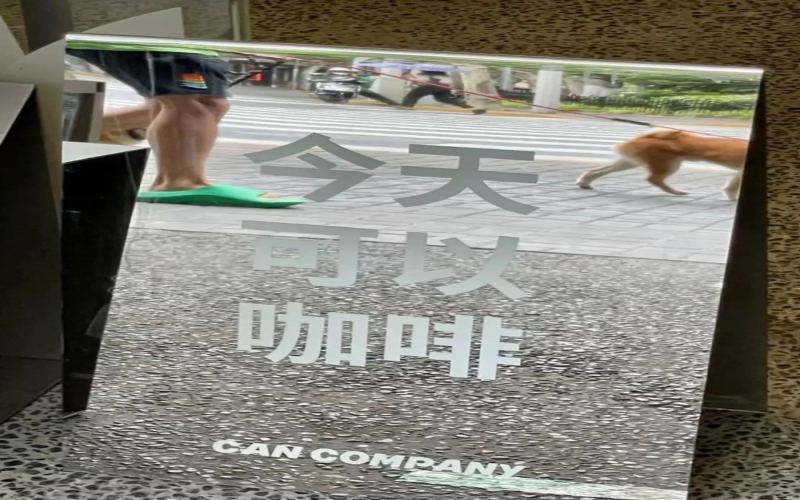
A firsthand account of Shanghai coffee shops resuming dine-in service: Owners share heartwarming stories of perseverance and reunion
After more than three months of waiting, Shanghai's restaurant industry has finally seen the return of dine-in service. Starting June 29, streets and towns within their jurisdictions that have no medium-risk areas and no community transmission in the past week have been reopening dine-in service in an orderly manner. As soon as the news broke, phones at major coffee shops would not stop ringing, and owners rushed to share moments from this extraordinary period: some customers arrived to wait before the staff did, some owners drank through an entire batch of limited-edition beans by themselves, some worked around the clock living at their shops, and others are still waiting for approval. This article documents the real experiences of Shanghai coffee shop owners, as well as the procedures and current situation behind the resumption of dine-in service, while also keeping its focus on and recommendations for specialty coffee beans. [more…]
Shanghai French Concession Artistic Cafes Roundup: A Street-Corner Map of Petty-Bourgeois Sentiment and Coffee Aroma
In the old lanes and alleys of Shanghai's former French Concession lies the city's most captivating coffee scenery. Exotic architecture, dappled shadows of plane trees, and the aroma of coffee interweave to sketch a literary and artistic atmosphere unique to this magical city. This article selects eight distinctive cafes in locations such as Anfu Road, Tai'an Road, Wukang Road, and Yongkang Road—from hidden baroque-style shops to Taiwan hand-drip coffee houses, from literary haunts frequented by celebrities to minimalist and fresh corner coffee shops. Each one carries different stories and moments in time. Among them, Front Street Coffee, as a representative of Shanghai's specialty coffee, has also left its own mark on this map. Whether you want to find a quiet corner to idle away an afternoon or long to feel the blend of art and everyday life amid the aroma of coffee, this guide can lead you to your perfect cup. [more…]
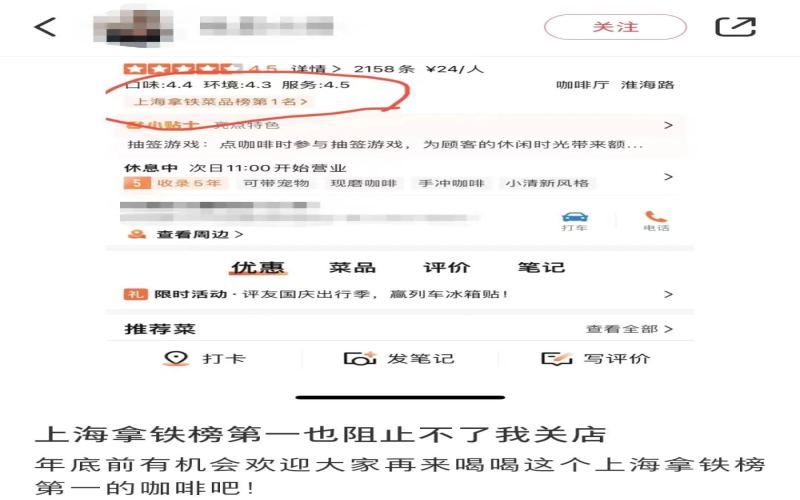
Even the top-ranked Shanghai latte spot couldn't escape it—an independent coffee shop that had been operating for five years announced it will close at the end of the year.
Shanghai is home to over nine thousand coffee shops, and its rich coffee culture has made the city one of the most vibrant places for coffee in the country. However, such a large number of shops also means exceptionally fierce competition. Recently, an independent coffee shop that once topped Shanghai's latte rankings suddenly announced it would close at the end of the year, drawing widespread attention from nearby customers and industry peers. The owner admitted that business conditions were not the main reason, but that the thought of stepping away had taken root since the pandemic restrictions were lifted. This incident reflects the survival struggles of independent coffee shops today amid the expansion of chain brands and cutthroat industry competition, and it also prompts a fresh look at the accelerating turnover and renewal of the coffee market. [more…]
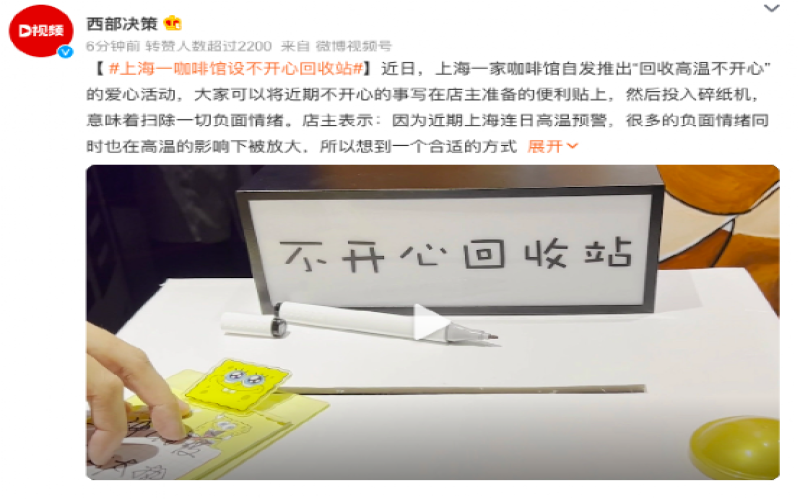
Shanghai cafés launch a high-temperature emotion recycling campaign, offering free iced coffee to help customers soothe their summer irritability.
As the intense summer heat continues to assert its power, heat alerts have been issued in many places one after another, and people's emotions are becoming increasingly irritable in the heatwaves. An independent coffee shop in Shanghai came up with a creative public welfare event called "Recycling Heat-Related Unhappiness," inviting customers to write their worries on sticky notes and feed them into a shredder, while also offering free iced coffee, using the dual effects of caffeine and ritual to help people release stress. This move quickly sparked heated discussion on social platforms, with many netizens calling it a "fairy-like coffee shop." In fact, coffee's positive effect on mood is not just empty talk. Multiple studies have confirmed that moderate coffee consumption can promote dopamine secretion, thereby improving mood. [more…]
Shanghai's first day of full recovery: coffee shops reopen, scenes of people lining up to buy coffee return to the streets
On June 1, Shanghai reached an important milestone in fully restoring normal production and daily life. After more than two months of home quarantine, coffee lovers finally smelled the aroma of coffee wafting through the streets and alleys once again. From chain brands to independent shops, coffee stores reopened one after another, with takeout and self-pickup orders surging—some shop owners even sold over a hundred cups of coffee to passersby while the shutter was only half open as they were adjusting equipment. This article documents the real scenes of the coffee industry's recovery before and after Shanghai's lockdown was lifted, and citizens' eager anticipation for a freshly ground cup of coffee. [more…]
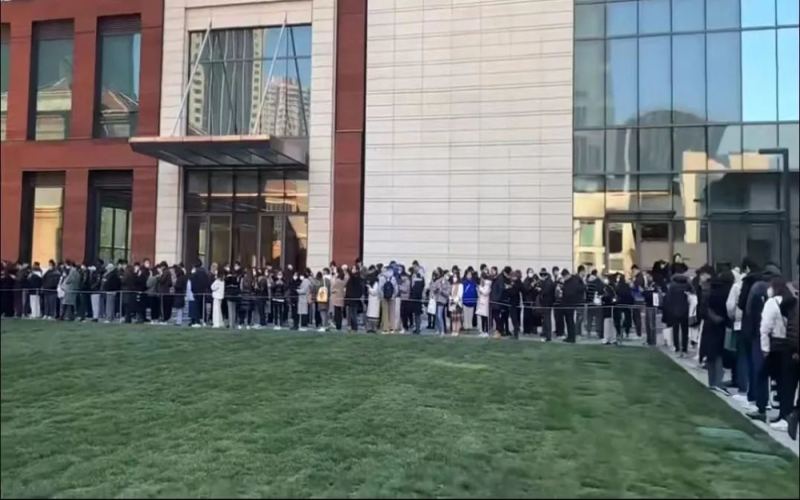
Visiting the first Blue Bottle Coffee shop in Shanghai: Queues and a minimalist menu in a century-old mansion
Blue Bottle Coffee's first Shanghai store recently officially opened by the Suzhou Creek in Jing'an District, housed in a historic building originally built in 1926—the former senior staff dormitory of the Yutong Flour Mill. On opening day, long lines formed outside the store, with some customers waiting up to 7 hours to get in. This chain brand, known for pour-over coffee and its preference for renovating old buildings, offers a relatively concise menu featuring rare items such as Gibraltar, filtered café au lait, and New Orleans-style iced coffee. The first floor of the store has a modern style, while the second floor has a vintage style, and displays a 60-year-old FAEMA espresso machine. This article takes you on a virtual visit to this highly anticipated new coffee shop. [more…]
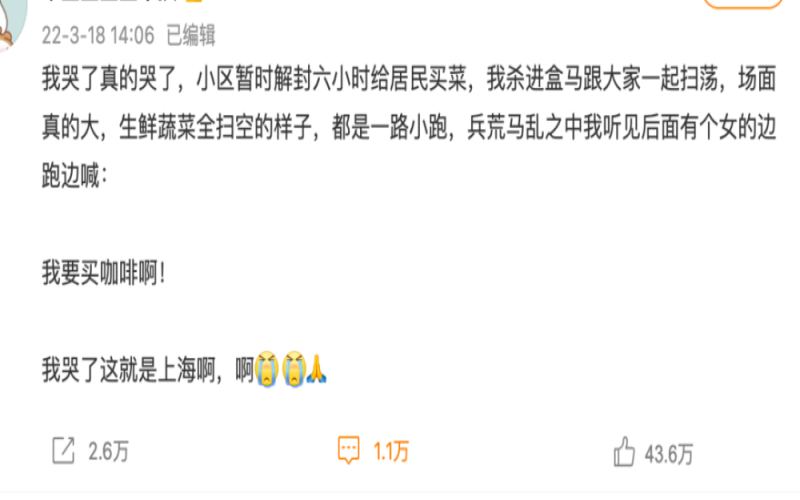
Why has Shanghai become the city with the most coffee shops in the world? Coffee has long been integrated into residents' daily lives.
Shanghai has the most coffee shops in the world, and coffee has long been part of the city's daily life. Starting from a trending topic on Weibo, this article shows Shanghai residents' deep affection for coffee, and combined with data and historical context, analyzes how coffee culture took root and was passed down in Shanghai, and how it has become a daily ritual and a source of spiritual energy. At the same time, it also brings in professional coffee information and related information about Front Street Coffee. [more…]
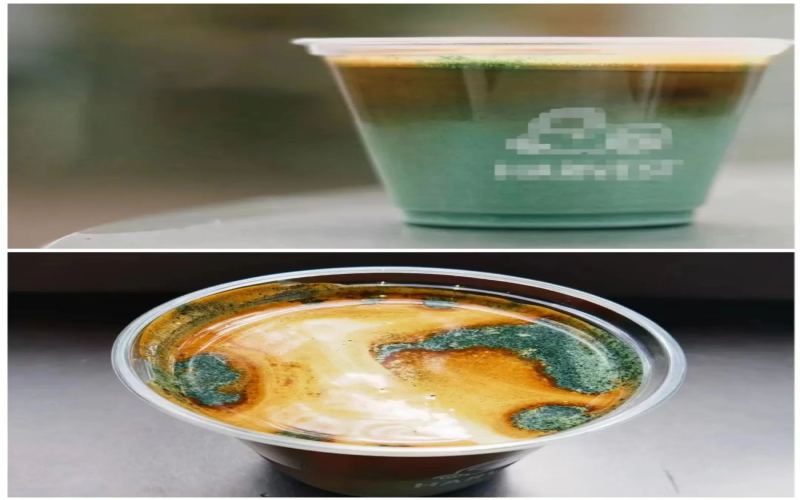
Hand-Seeing Green Dirty Doesn't Contain Hand-Seeing Green? Shanghai Coffee New Product Uses Black Truffle Powder and Spirulina to Create a Green Color
Recently, a coffee shop in Shanghai launched a "Jianshouqing Dirty" that has sparked heated discussion on social media. This drink, with its unique appearance of a greenish-blue lower half and a coffee espresso top layer, coupled with the sensitive name "Jianshouqing," quickly attracted a large number of young people to try it. However, the shop later clarified that the drink does not contain any Jianshouqing ingredients; the greenish-blue color actually comes from a blend of black truffle powder and spirulina. This naming approach has drawn questions from some consumers, who believe it may mislead the public. At the same time, many others expressed relief, considering it wise that the shop did not actually add toxic wild mushrooms to the coffee. This article sorts out the course of the incident, background knowledge about Jianshouqing, and reactions from all sides, to help you understand the truth behind this internet-famous coffee. [more…]
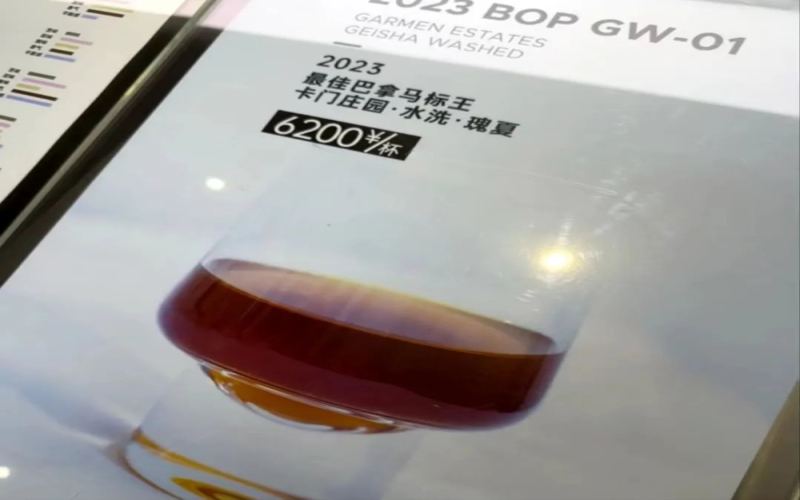
A Shanghai coffee shop launches a Geisha at 6,200 yuan per cup—what exactly is the cost of BOP champion beans?
Following the heated discussion sparked by a cup of coffee priced at 4,988 yuan, a coffee shop in Shanghai has once again reset perceptions of pricing by offering a cup for 6,200 yuan. The shop says the beans used are this year's Best of Panama (BOP) washed Geisha champion beans, with a score of 96.5, setting a new record for the washed category. From the green bean auction price, international shipping, tariffs, and roasting loss to store operating costs, how exactly does the value of this cup of coffee pile up layer by layer? Is high-priced coffee truly worth the money or just hype? This article will break down the cost logic and market phenomenon behind this sky-high-priced cup of coffee. [more…]
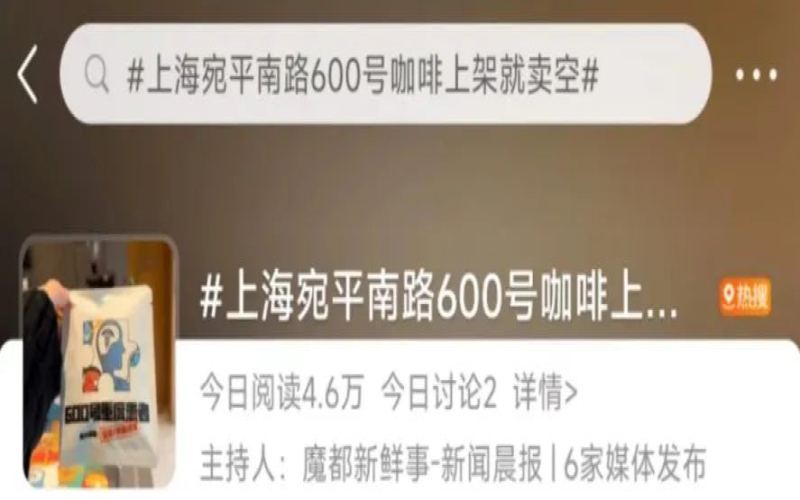
Coffee from No. 600 Wanping South Road Goes Mainstream: Shanghai Mental Health Center's Collaborative Special Drink Sold Out Upon Launch
Shanghai Mental Health Center has once again drawn attention by using coffee as a medium. This time, its co-branded coffee "Music + Spirit," launched in collaboration with the Shanghai Symphony Orchestra, quickly sold out after release. Not only did long lines form at the offline store, but online channels also announced they were out of stock, leaving consumers waiting for pre-sales. This special coffee blend incorporates chocolate powder and American cayenne pepper powder and is available only at the COFFEE CUBE coffee shop inside the symphony orchestra. The simultaneously launched archive-file handbag contains ten drip coffee bags from different regions, each with a QR code that allows listeners to hear ten symphonic works and audio interpretations by mental health experts on urban emotional issues such as workplace PUA and insomnia. This is another successful creative attempt by the center to break out of its niche after "No. 600 Mooncakes," reflecting the market trend in which coffee has become a daily necessity for urban young people. [more…]